

BFCM buildup on a thirty-day runway.
Peak Q4 is where food brands make or miss the year. We stage paid ramps, Klaviyo peak-window flows, stock coverage checks, and creative refreshes across a thirty-day buildup so nothing lands cold on day zero.
No commitment. You get a written brief with prioritized fixes.
Food and beverage DTC rarely lives in isolation. Most brands sell DTC, wholesale, and retail at the same time, and the channels only compound if someone is measuring them together. We run hybrid attribution, an honest category-by-category read on subscription fit, and a BFCM buildup that respects the shipping economics of your category.
Peak Q4 is where food brands make or miss the year. We stage paid ramps, Klaviyo peak-window flows, stock coverage checks, and creative refreshes across a thirty-day buildup so nothing lands cold on day zero.
DTC halo feeding retail sell-through. Retail distribution feeding DTC conversion. Brand lift tracked against both. Your retail team and your DTC team finally look at the same weekly sheet.
The operational commitment on every food & beverage engagement.
Coffee subscribes. Snacks subscribe if the cadence matches the eating pattern. Specialty sauces usually do not. We check fit category by category and build where the math works, so churn stops hiding in the headline number.
Food and beverage DTC almost never lives in isolation.
Most brands sell DTC, wholesale, and retail at the same time. The channels compound when someone is measuring them together and they compete for budget when nobody is. Subscription works in some categories and churns hard in others. Shipping economics compress margin before a single dollar goes to paid media.
We run food and beverage programs around channel reinforcement first. DTC feeds retail velocity, retail feeds DTC conversion, subscription gets built where the category supports it, and the BFCM buildup is staged against your shipping windows and stock reality. Blended ROAS is a reporting line. Channel reinforcement is the business.
DTC is high-margin, retail is high-volume. The balance matters, and so does how they reinforce.
Some categories (coffee, snacks) subscribe well. Others do not. Forcing it churns.
Temperature-controlled shipping, breakage, and minimums all compress margin. Marketing has to account.
Three inputs, a snapshot of your current state. Useful for framing the conversation. Do not build next quarter's plan from it. Real results depend on brand, category, subscription fit, shipping economics, and channel mix.
Pure math on the numbers you enter. We do not promise a specific CAC for your brand. What a good program does is move the CAC, subscription attach, and retail halo you already have in the right directions. First-purchase revenue is directional. The audit frames subscription LTV and the retail side honestly.
Five phases that work in sequence. DTC without retail visibility undercounts brand lift. Retail without DTC measurement misses the halo. Every layer reinforces the one beside it.
DTC halo on retail sell-through, brand lift tracking, and shared metrics with retail team.
Honest assessment of category fit for subscription. Where it works, build it well. Where it does not, focus elsewhere.
Geo-targeted paid on new retail launches. Awareness campaigns in markets where retail distribution just expanded.
Klaviyo flows for post-purchase education, reorder reminders, and loyalty.
Temperature-controlled lanes, breakage rates, and minimum-order thresholds treated as a marketing lever. Free-shipping thresholds get set against contribution margin instead of guesswork.
A handful of metrics have clear industry-wide ranges. Others (blended ROAS, first-purchase CAC) swing dramatically by category, subscription fit, and shipping profile, so we measure those against your own history and cohort rather than a published benchmark.
Generalized example to show the shape of the work. Every food & beverage engagement starts with a two-week audit. The audit tells us what is actually realistic for your brand, your category, your subscription fit, and your current retail footprint. We frame the next quarter honestly from there.
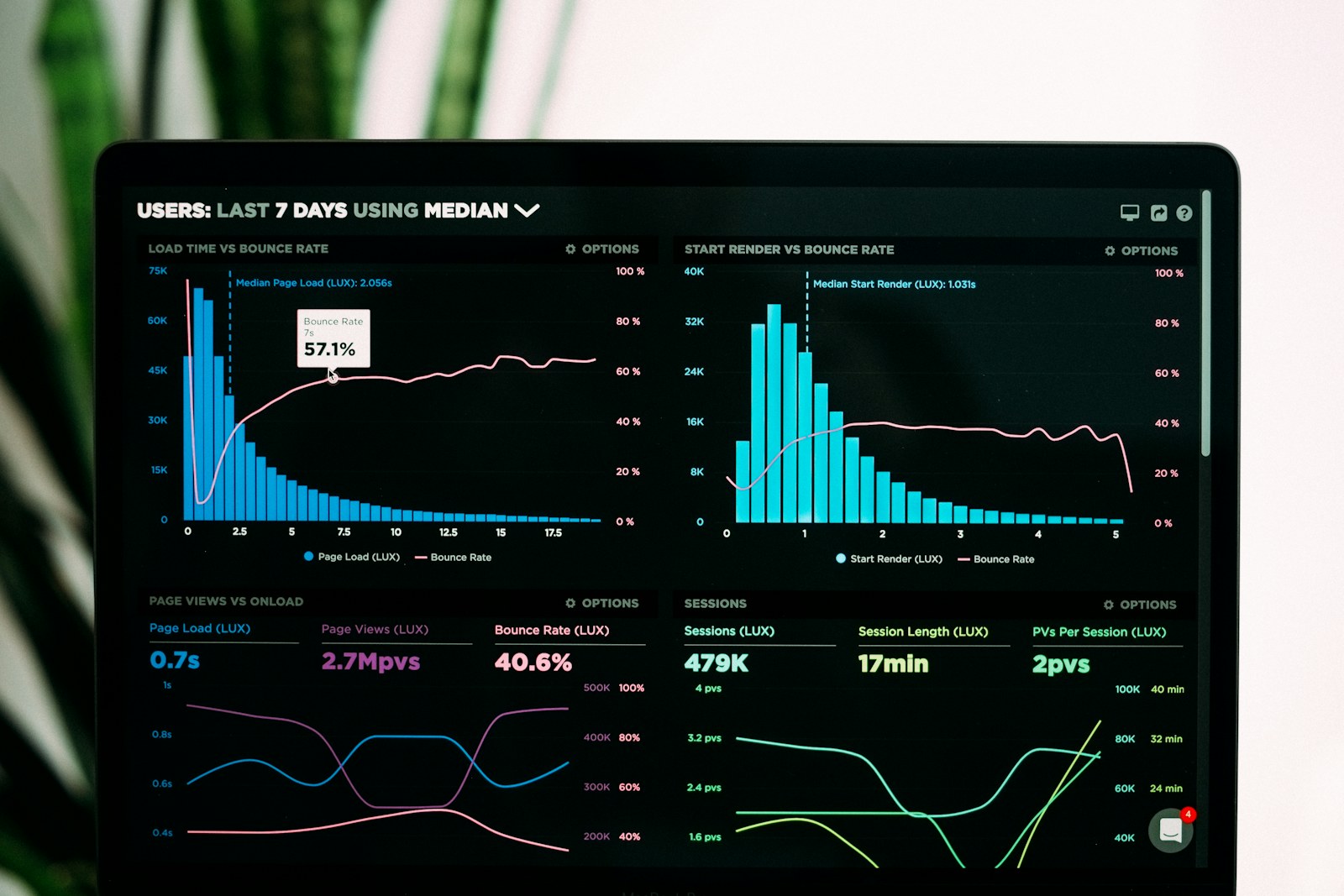
Paid, lifecycle, subscription, retail halo, and BFCM readiness running as one program with the same reporting surface.
Campaigns optimized to CPA, ROAS, and closed-won revenue.
The system that turns leads into deals while you sleep.
Creative libraries engineered to convert.
Fix the leaks before you spend more on traffic.
We consult on the DTC halo effect. Amazon management and retail velocity work is typically done by specialists. We coordinate.
Pulled from strategy calls, Slack threads, and end-of-quarter recaps with food & beverage founders and growth leads. Names and brands anonymized, voice unchanged.
We had a subscription program but nobody honest enough to tell us which SKUs churned the hardest. They built the cohort view by roast and cadence, killed the ones that were draining us, and doubled down on the two blends that actually held. First time our subscriber count and our margin moved in the same direction.
We were launching a new RTD line into Sprouts and running Meta at the same time, and nobody could tell us whether the paid was helping the sell-through. They set up the hybrid attribution, got the retail team looking at the same sheet we were, and the conversation with the buyer changed completely.
The Klaviyo rebuild earned its fee in the first month. Our subscription flows were template garbage, our reorder reminders were firing at the wrong cadence for our category, and the winback was basically off. They rebuilt all of it around actual eating patterns. Email stopped feeling like a coin flip.
We sell through Whole Foods, a dozen regional co-ops, and DTC. Every channel was measured by a different team on a different dashboard. They built one view that made sense to everyone, including our broker, and the Q4 buildup into BFCM was the first one that did not feel like we were guessing.
A 30-minute call. We'll walk your actual numbers and tell you the three things we'd change first.