

Cohort-first audit, every quarter.
We review M0 acquisition cost against M3 repeat, M6 retention, and M12 LTV every quarter. The picture is almost always different from what the last-click dashboard suggests. Budget follows the cohort.
No commitment. You get a written brief with prioritized fixes.
Apparel DTC is the hardest paid channel in ecommerce. CAC is brutal, first-purchase AOV rarely covers it, and every iOS update moves your attribution. We run apparel brands against LTV:CAC and contribution margin, across Meta, TikTok, Klaviyo, and Shopify. Blended ROAS is a reporting line. Month twelve is the business.
We review M0 acquisition cost against M3 repeat, M6 retention, and M12 LTV every quarter. The picture is almost always different from what the last-click dashboard suggests. Budget follows the cohort.
Every variant that ships gets tagged. Every winner gets promoted. Next month's concepts are built on what the library already taught us, so we are never starting from zero on Monday.
The operational commitment on every apparel engagement.
Server-side events feeding Meta and TikTok. Klaviyo flows segmented by cohort and product affinity. Shopify checkout extensions capturing zero-party data. The stack finally measures what the P&L measures.
Apparel DTC is the hardest paid channel in ecommerce.
CAC is high. First-purchase AOV rarely covers it. You are one iOS update away from your attribution breaking. The brands that grow are the ones treating CAC and LTV as one equation, and they are staffed to model it honestly.
We run apparel programs around unit economics first. We pull cohort data, model LTV, map contribution margin by channel, and only then start optimizing. The Meta account matters. The TikTok creative matters. The Klaviyo flows matter more than both. Blended ROAS is a reporting line. Contribution margin is the business.
First purchase is rarely profitable. LTV has to work. Marketing that does not think in cohorts will miss this.
Post-iOS 14 attribution gaps need server-side events, offline conversion uploads, and MMM sensibility. Self-reported attribution (zero-party data) helps.
Apparel creative half-lives fast. Without weekly UGC pipelines and testing discipline, CAC creeps.
Returns eat margin. Repeat purchase rate is the difference between a startup and a business.
Three inputs, a snapshot of your current state. Useful for framing the conversation. Do not build next quarter's plan from it. Real results depend on brand, cohort behavior, creative quality, and category economics.
Pure math on the numbers you enter. We do not promise a specific CAC for your brand. What a good program does is move the CAC and LTV you already have in the right directions. First-purchase revenue is directional. The audit frames the LTV side honestly.
Five phases that work in sequence. Paid without lifecycle burns acquisition on one-time buyers. Lifecycle without UGC stops at last-click revenue. Every layer compounds the one beneath it.
Meta + TikTok segmented by audience, creative concept, and intent stage. Server-side events. Offline conversion uploads.
Welcome, browse abandonment, abandoned cart, post-purchase, VIP, winback, and review solicitation. All segmented, all measured, all reviewed monthly.
Creator sourcing, weekly shoots, concept tracking, and creative library management. 20-40 variants per month.
PDP, cart, and checkout optimization. Product recommendation logic. Zero-party data capture via quizzes.
Subscription or membership where applicable. Repeat purchase nurture. Reorder reminders on consumables.
A handful of metrics have clear industry-wide ranges. Others (blended ROAS, first-purchase CAC) swing dramatically by brand, category, and product-market fit maturity, so we measure those against your own history and cohort rather than a published benchmark.
Generalized example to show the shape of the work. Every apparel engagement starts with a two-week audit. The audit tells us what is actually realistic for your brand, your cohort behavior, and your current stack. We frame the next quarter honestly from there.
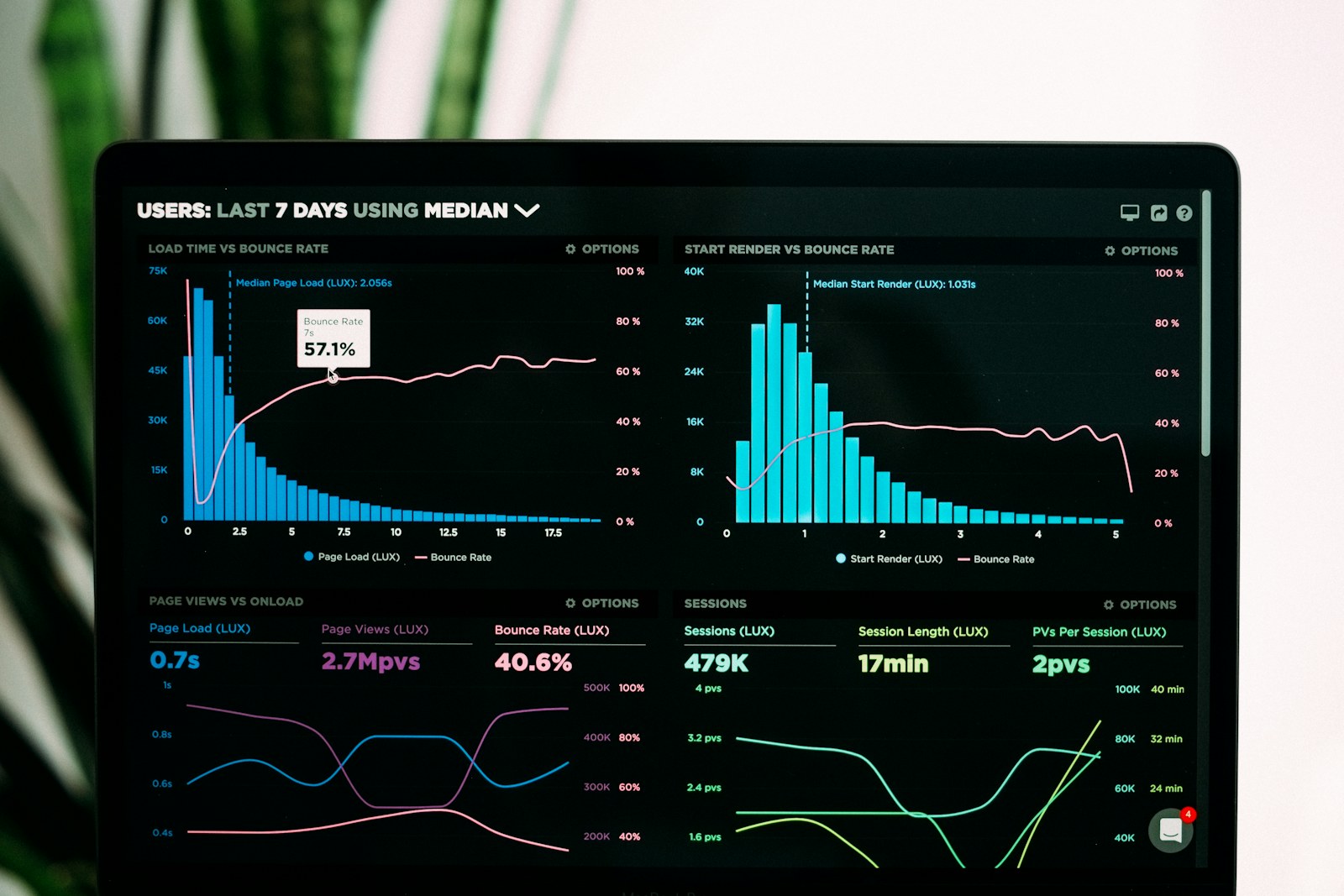
Paid, lifecycle, creative, and CRO running as one program with the same reporting surface.
Campaigns optimized to CPA, ROAS, and closed-won revenue.
Creative libraries engineered to convert.
The system that turns leads into deals while you sleep.
Fix the leaks before you spend more on traffic.
Yes. Shopify Plus is the standard for our apparel clients. We work inside Shopify checkout extensibility, use Shopify Flow for automation, and integrate Klaviyo via the native connection.
We run TikTok paid and organic content programs, and we help brands launch TikTok Shop where the operational fit makes sense. Not every brand should sell on TikTok Shop.
Yes. Influencer seeding programs, affiliate program design, and creator partnership management are all within scope.
Pulled from strategy calls, Slack threads, and end-of-quarter recaps with apparel founders and growth leads. Names and brands anonymized, voice unchanged.
We had been running Meta at a blended ROAS that looked fine on the dashboard but was eating our margin. They rebuilt the account around contribution margin and the monthly P&L started making sense again. First time I have felt honest about the numbers in years.
We had UGC but nothing that looked like a pipeline. They built out the creator roster, the weekly shoot calendar, and the library that tags winners so the next month's variants are built on what already worked. Our team went from scrambling every Monday to actually planning.
The Klaviyo work alone paid for the engagement. Our flows were stitched together from a template and last touched in 2023. They rebuilt welcome, browse, abandoned cart, post-purchase, and VIP with actual segmentation. Email revenue stopped looking like an accident.
We were optimizing to last-click ROAS and wondering why repeat purchase was flat. They pulled the cohort data, showed us what month twelve actually looked like, and reframed the whole program around LTV:CAC. The retention work after that became the easy part.
A 30-minute call. We'll walk your actual numbers and tell you the three things we'd change first.