

Six-week consideration, mapped.
The decision on a $2,800 piece happens over weeks. Research, consult, design, ship. We build lifecycle against that timeline instead of against a cart abandon clock.
No commitment. You get a written brief with prioritized fixes.
Jewelry is a considered purchase. AOVs are high, consideration runs four to eight weeks, and the ad-to-conversion gap is where most programs bleed budget. We build jewelry DTC programs around trust density, story-first creative, long-cycle Klaviyo flows, and gift-moment seasonality. Fine and fashion need different motions. Both need the story.
The decision on a $2,800 piece happens over weeks. Research, consult, design, ship. We build lifecycle against that timeline instead of against a cart abandon clock.
GIA certification, conflict-free sourcing, recycled materials, lifetime warranty, return policy, reviews. On every PDP, above the fold. The details that close the consideration cycle deserve the real estate.
The operational commitment on every jewelry engagement.
Craftsmanship video and maker content on the front. Server-side events, cohort-segmented Klaviyo, and Shopify checkout wired to the truth on the back. Both halves on one reporting surface so story actually gets credit.
Jewelry is a considered purchase.
AOV runs $120 for demi-fine, past $3,200 for bridal and heirloom pieces. The decision takes weeks. The ad-to-conversion gap is where most jewelry programs bleed budget, because the paid account was built for a one-session funnel and the business is a four-touch consideration cycle.
We run jewelry programs with trust as the product. Story-first creative on craftsmanship and materials. Long-cycle Klaviyo flows tuned to the decision window. Meta plus Google Shopping plus Pinterest, segmented by fine versus fashion. PDPs that put GIA, returns, and the lifetime warranty where a nervous buyer will actually find them. Fine and fashion need different motions. Both need the same care on the details.
Engagement rings, statement pieces, and gifts all involve multi-week consideration. Retargeting and lifecycle have to stay warm across weeks.
Return policy, certification, materials transparency, and reviews all move conversion. Sites that bury them lose orders.
Valentines, Mothers Day, anniversaries, and Q4 drive disproportionate revenue. Campaign architecture has to scale for the spikes.
LTV is built over years. Patience in lifecycle matters.
Three inputs, a snapshot of your current state. Useful for framing the conversation. Do not build next quarter's plan from it. Real results depend on brand, fine versus fashion mix, consideration-cycle depth, and gift-moment seasonality.
Pure math on the numbers you enter. We do not promise a specific CAC for your brand. What a good program does is move the CAC and LTV you already have in the right directions. First-purchase revenue is directional. The audit frames the LTV side honestly, especially for a category with multi-year repeat arcs.
Five phases that work in sequence. Paid without long-cycle lifecycle wastes the consideration window. Lifecycle without trust surfacing loses the decision on the PDP. Post-purchase without story leaves the repeat buy on the table.
Craftsmanship, materials, and maker story. Video walkthrough, product-in-context, and customer moment content.
30-90 day Klaviyo flows tuned by product category. Gift-moment campaigns layered onto evergreen sequences.
Google Shopping, Meta, and Pinterest. Offline conversions fed from purchase data. Seasonality-aware budget pacing.
PDP optimization for certification, return policy, materials transparency, and reviews. Pre-purchase assurance surfaced.
Care instructions, styling content, and long-cycle winback. Anniversary email campaigns for repeat purchase moments.
A handful of metrics have clear industry-wide ranges. Others (blended ROAS, first-purchase CAC) swing sharply by fine versus fashion mix, brand price tier, and gift-moment seasonality, so we measure those against your own history and cohort rather than a published benchmark.
Generalized example to show the shape of the work. Every jewelry engagement starts with a two-week audit. The audit tells us what is realistic for your brand, your fine-versus-fashion mix, your consideration-cycle depth, and your current stack. We frame the next quarter honestly from there.
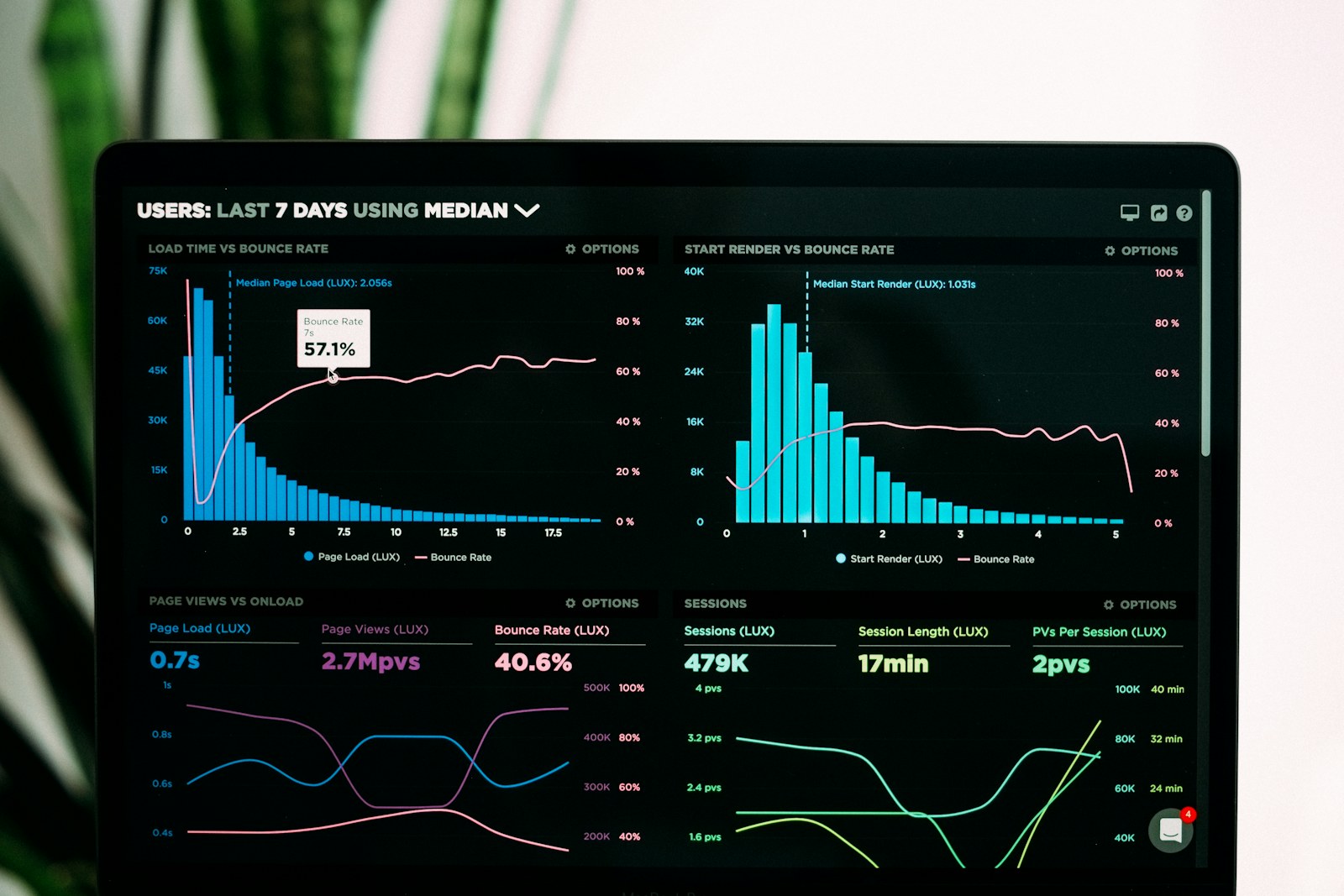
Paid, long-cycle lifecycle, story-first creative, and trust-surfacing CRO running as one program with the same reporting surface.
Campaigns optimized to CPA, ROAS, and closed-won revenue.
Fix the leaks before you spend more on traffic.
The system that turns leads into deals while you sleep.
Creative libraries engineered to convert.
Yes. Engagement and bridal have long consideration cycles and require patient nurture programs. We run those as dedicated campaigns.
Yes. Geo-targeted paid, email campaigns, and RSVP workflows for physical-event marketing are standard components.
Pulled from strategy calls, Slack threads, and end-of-quarter recaps with jewelry founders, creative leads, and ecom teams. Names and brands anonymized, voice unchanged.
Our solitaire line has a six to eight week consideration cycle, and we had been running it like a t-shirt brand. They rebuilt the whole lifecycle around the actual decision window. Welcome, consult, design, anniversary. The second-purchase flow is where the business finally started making sense.
Demi-fine is a tough middle. Fashion prices, fine-jewelry trust expectations. They understood it immediately. Our PDPs now lead with craftsmanship and materials before the buy button, and the on-site behavior changed within two weeks. People actually read the page.
Bridal runs on trust. Certification, returns, the feeling that a human will answer if something goes wrong. The team mapped our whole PDP and consult funnel against that, surfaced GIA and the lifetime warranty properly, and made the whole experience feel like a jeweler we would walk into. That is the whole game.
We have been a family brand for forty years and had never touched a proper post-purchase program. They rebuilt anniversary emails, styling follow-ups, and care instructions as one system. Customers are buying a second piece because we finally kept talking to them after the box shipped.
A 30-minute call. We'll walk your actual numbers and tell you the three things we'd change first.